

What good minutes record, and what they leave out
Minutes are not a transcript. They are the official record of what a meeting decided, and they need to stand up long after everyone has forgotten the discussion.
2 min read
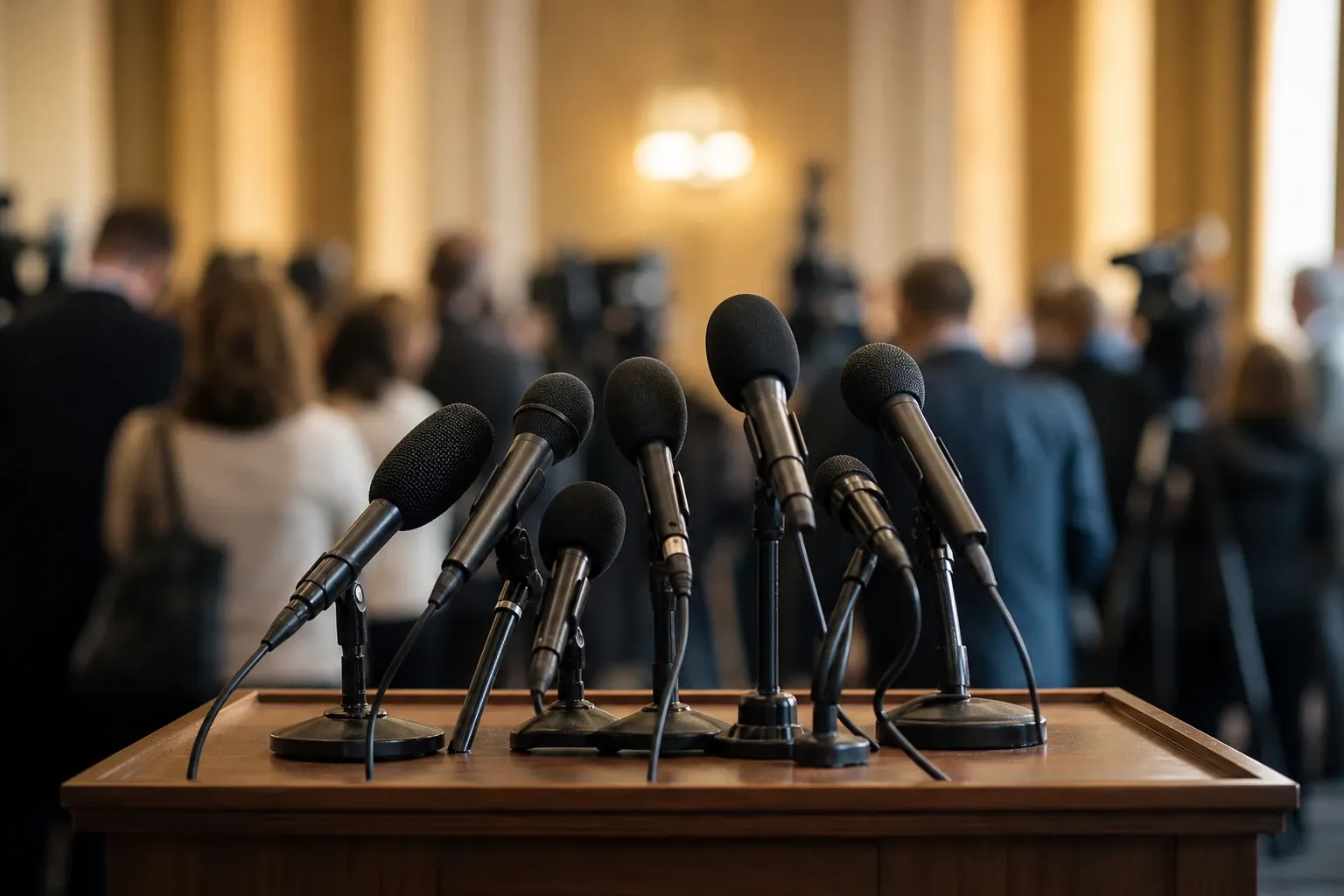
Editors decide in a few seconds whether a release is worth their time. Here is how to structure yours so the story survives that first glance.
A press release has one job: to give a journalist everything they need to understand the story, judge whether it matters to their readers, and write about it accurately. Most releases fail not because the news is weak, but because the news is buried.
The first sentence should say what happened, who it affects and why it matters now. "Our organisation is proud to announce" tells the reader nothing. "A new skills programme will train 200 young people in Soweto from March" tells them the story.
Write the headline last. Once the first paragraph is right, the headline is usually a shorter version of it.
Journalists read from the top and stop when they have enough. Put the essentials first (what, who, when, where) and the background further down. If the final three paragraphs were cut, the release should still make sense.
A quote should add opinion, feeling or vision that the facts cannot. "We are delighted with this partnership" adds nothing. A spokesperson explaining what the partnership will change for the people it serves gives a journalist something worth using.
Most strong releases fit on a single page. If yours runs longer, the extra material probably belongs in a background document or a fact sheet that you link to.
A well-written release saves journalists time, and they remember the organisations that make their work easier.
Minutes are not a transcript. They are the official record of what a meeting decided, and they need to stand up long after everyone has forgotten the discussion.
2 min read
A conference report should help people act on what was discussed. That means organising it around ideas and recommendations, not around the programme.
2 min read
Most visitors scan a page looking for one answer. Clear, well-structured copy helps them find it and helps search engines understand you too.
2 min read
Contact us by email or WhatsApp with a brief outline of your requirements, whether you need corporate communications, report writing, documentation or secretariat support. We will review your enquiry and confirm the scope of work, applicable fees and expected delivery timeline before commencing the assignment.